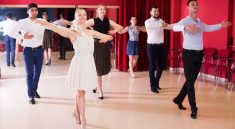

Dance is far more than a physical activity or artistic performance. It is a powerful mind–body practice that nurtures emotional balance, mental clarity, and psychological resilience. Across cultures and age groups, dance has been recognized as a natural way to process emotions, reduce stress, and reconnect with oneself.
The Mind–Body Connection in Dance
Dance uniquely integrates movement, music, and emotion. When the body moves rhythmically, the brain responds by releasing chemicals that support mental well-being.
Key mind–body effects include:
-
Increased release of endorphins, which elevate mood
-
Activation of neural pathways linked to memory and focus
-
Improved coordination between emotional and physical responses
This synchronization helps individuals feel more present and grounded.
Dance as a Stress and Anxiety Reliever
One of the most immediate benefits of dance is stress reduction. Rhythmic movement helps regulate breathing and lowers cortisol levels, the hormone associated with stress.
How dance reduces anxiety:
-
Encourages deep, controlled breathing
-
Shifts attention away from negative thought patterns
-
Creates a sense of flow and mindfulness
Even short dance sessions can provide noticeable emotional relief.
Emotional Expression Through Movement
Many emotions are difficult to articulate through words alone. Dance offers a safe and creative outlet for expressing joy, grief, anger, or vulnerability.
Emotional benefits include:
-
Healthy release of suppressed emotions
-
Improved emotional awareness
-
Greater self-acceptance and authenticity
This is especially helpful for individuals who struggle with verbal communication.
Boosting Self-Confidence and Self-Esteem
Learning and practicing dance can significantly enhance self-confidence. As individuals gain control over their movements, they often develop a stronger sense of personal capability.
Dance supports confidence by:
-
Encouraging positive body awareness
-
Celebrating progress rather than perfection
-
Promoting self-expression without judgment
Over time, this confidence extends beyond the dance floor into daily life.
Social Connection and Emotional Support
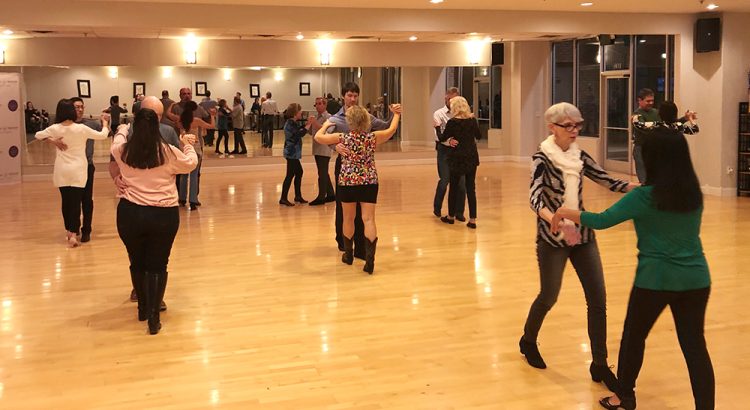
Dance often takes place in social settings such as classes, groups, or community events. These environments foster belonging and emotional connection.
Social mental health benefits include:
-
Reduced feelings of loneliness and isolation
-
Strengthened interpersonal bonds
-
Shared emotional experiences through collective movement
Human connection plays a critical role in emotional well-being, and dance naturally encourages it.
Dance and Long-Term Mental Health Support
Regular dance practice has been linked to long-term mental health benefits. It supports emotional regulation, cognitive flexibility, and resilience against depression.
Long-term advantages:
-
Improved mood stability
-
Enhanced memory and cognitive function
-
Greater emotional adaptability during life challenges
For many, dance becomes a lifelong tool for maintaining mental balance.
Frequently Asked Questions (FAQs)
1. Can dance help with depression?
Yes, dance can improve mood by increasing endorphins and providing emotional expression, which may help reduce depressive symptoms.
2. Is dance therapy different from regular dancing?
Dance therapy is guided by trained professionals and focuses specifically on emotional and psychological healing, while regular dance is more informal.
3. How often should someone dance for mental health benefits?
Even two to three sessions per week can positively impact mental and emotional well-being.
4. Do you need dance experience to gain mental health benefits?
No prior experience is required. The benefits come from movement and expression, not technical skill.
5. Can dance help children with emotional development?
Yes, dance supports emotional expression, confidence, and social skills in children.
6. Is solo dancing as effective as group dancing?
Both are effective. Solo dance supports self-reflection, while group dance enhances social connection.
7. Can dance improve focus and concentration?
Yes, coordinated movement and rhythm can enhance attention, memory, and mental clarity.