
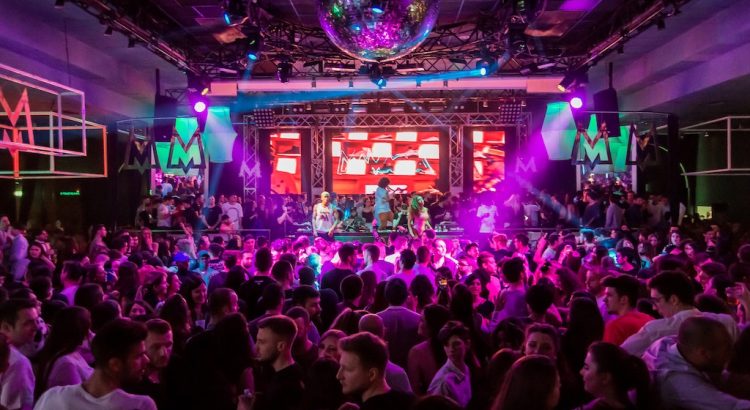
A nightclub is more than a late-night venue—it is a social ecosystem where music, fashion, energy, and nightlife culture converge. From intimate underground spaces to large-scale entertainment hubs, nightclubs have evolved to meet changing tastes while remaining a cornerstone of urban nightlife.
What Defines a Nightclub?
A nightclub is a licensed entertainment venue that typically operates during evening and nighttime hours, offering music, dancing, and drinks in a high-energy environment. Unlike bars or lounges, nightclubs focus heavily on atmosphere, sound, and crowd engagement.
Key defining elements include:
-
Live DJs or performers
-
Dance-focused layouts
-
Professional lighting and sound systems
-
Age-restricted entry, usually 18+ or 21+
The Evolution of Nightclubs
Nightclubs have continuously adapted to cultural shifts. Early clubs emphasized live bands and jazz. Later decades brought disco, electronic dance music, and hip-hop to the forefront. Today’s clubs often blend genres and experiences.
Modern trends include:
-
Immersive lighting and visual effects
-
Theme-based nights and pop-up events
-
Hybrid spaces combining lounge, bar, and dance floor
-
Integration of social media and digital promotion
Music and Atmosphere
Music is the heartbeat of any nightclub. While preferences vary by region and audience, popular genres include:
-
Electronic Dance Music (EDM)
-
House and techno
-
Hip-hop and R&B
-
Pop remixes and mashups
Atmosphere is shaped by:
-
Lighting design (LEDs, lasers, strobes)
-
Interior aesthetics and crowd flow
-
Sound quality and bass clarity
A well-designed club balances intensity with comfort, allowing guests to dance, socialize, and relax without friction.
Dress Code and Social Culture
Most nightclubs enforce a dress code to maintain a specific vibe. While expectations differ, the goal is usually polished, fashionable attire rather than casual wear.
Common dress guidelines:
-
Smart-casual to upscale outfits
-
Clean footwear and coordinated looks
-
Avoidance of overly casual clothing
Socially, nightclubs function as meeting points where people connect through music, movement, and shared energy. Respectful behavior and awareness of personal space are essential to a positive experience.
Safety, Security, and Responsibility
Reputable nightclubs prioritize guest safety. This includes trained security staff, ID verification, and crowd management. Many venues also promote responsible drinking and provide access to water and rest areas.
Important safety practices:
-
Clear entry and exit points
-
Monitoring of capacity limits
-
Zero tolerance for harassment or violence
Why Nightclubs Remain Popular
Despite changing entertainment habits, nightclubs continue to thrive because they offer something digital experiences cannot fully replicate: collective energy. The shared rhythm of music and movement creates a sense of presence and connection that keeps people coming back.
Nightclubs also serve as cultural incubators, introducing new music styles, fashion trends, and social movements long before they reach the mainstream.
FAQs About Nightclubs
1. What is the difference between a nightclub and a bar?
A nightclub focuses on dancing, DJs, and high-energy music, while a bar emphasizes drinks and conversation with minimal entertainment.
2. Do all nightclubs have age restrictions?
Yes, most nightclubs restrict entry based on legal drinking age or local regulations, commonly 18+ or 21+.
3. How late do nightclubs usually stay open?
Closing times vary by location and law, but many clubs operate until early morning hours.
4. Are nightclubs safe for solo visitors?
Reputable venues are generally safe, especially when guests remain aware of their surroundings and follow venue rules.
5. Why do some nightclubs charge entry fees?
Cover charges help offset costs for DJs, performers, staff, and production while managing crowd size.
6. What should first-time visitors expect?
Expect loud music, low lighting, crowds, and a lively atmosphere. Arriving early can make the experience more comfortable.
7. How has technology changed nightclubs?
Technology has enhanced sound systems, lighting, ticketing, and promotion, making experiences more immersive and organized.