

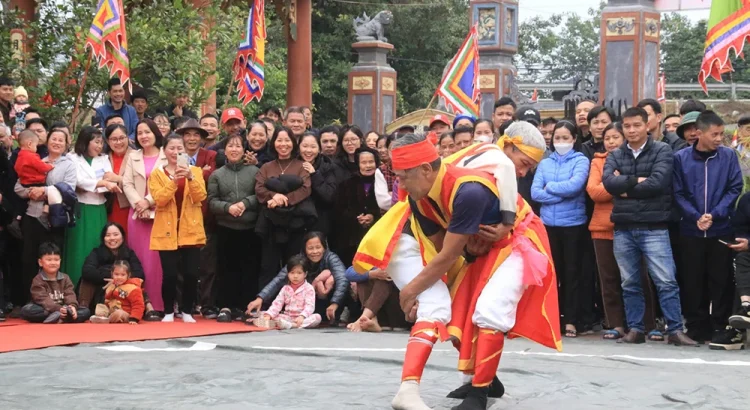
Cultural events play a vital role in keeping traditions alive while bringing people together. In a rapidly modernizing world, these gatherings act as living expressions of history, values, and shared identity. Beyond celebration, cultural events help communities stay connected across generations and social boundaries.
Understanding Cultural Events
Cultural events are organized activities that reflect the customs, beliefs, art forms, and heritage of a community. They often include music, dance, rituals, storytelling, food, and traditional attire. These events are deeply rooted in collective memory and are usually passed down through generations.
Examples of cultural events include festivals, religious ceremonies, heritage fairs, and traditional performances.
Preserving Traditions Through Cultural Events
Passing Knowledge Across Generations
Cultural events serve as informal classrooms where elders pass down traditions to younger generations.
- Traditional dances and songs are taught through live performances
- Rituals and ceremonies explain cultural values and beliefs
- Local languages and dialects are kept alive through storytelling
This intergenerational exchange ensures that cultural knowledge is not lost over time.
Keeping Art and Craft Alive
Many cultural events showcase traditional arts that might otherwise disappear.
- Handicrafts and folk art exhibitions
- Indigenous music and instrument performances
- Traditional cooking methods and recipes
Such exposure encourages appreciation and continued practice of these skills.
Strengthening Cultural Identity
By participating in cultural events, individuals reconnect with their roots. This shared experience reinforces a sense of belonging and pride in cultural identity, especially for younger generations living in multicultural or urban environments.
Strengthening Social Bonds Within Communities
Creating Shared Experiences
Cultural events bring people together in a shared space, fostering unity.
- Families, neighbors, and visitors celebrate together
- Social barriers are reduced through collective participation
- People form emotional connections through shared rituals
These moments build trust, empathy, and mutual respect.
Encouraging Inclusivity and Understanding
Cultural events often welcome people from different backgrounds, promoting social harmony.
- Visitors learn about traditions different from their own
- Cultural exchange reduces stereotypes and misunderstandings
- Communities become more open and inclusive
This interaction strengthens social cohesion beyond cultural boundaries.
Supporting Community Collaboration
Organizing cultural events requires teamwork.
- Volunteers work together toward a common goal
- Local leaders, artists, and residents collaborate
- Stronger networks form within the community
These collaborations often extend beyond the event itself, creating long-term social bonds.
Cultural Events in a Modern Context
Even as societies evolve, cultural events adapt without losing their essence. Modern elements such as digital promotion, hybrid participation, and contemporary performances help keep traditions relevant. This balance between heritage and innovation ensures cultural continuity in changing times.
Why Cultural Events Matter More Than Ever
In an era of digital communication and fast-paced lifestyles, cultural events provide rare opportunities for face-to-face interaction. They remind communities of shared values, foster emotional connections, and create lasting memories that strengthen social fabric.
Frequently Asked Questions (FAQs)
What are cultural events?
Cultural events are organized activities that celebrate a community’s traditions, customs, arts, and shared heritage.
How do cultural events help preserve traditions?
They pass knowledge, rituals, and art forms from one generation to another through participation and observation.
Why are cultural events important for young people?
They help young people understand their roots, develop cultural pride, and build a sense of identity.
Can cultural events strengthen relationships within a community?
Yes, shared participation fosters trust, cooperation, and stronger emotional connections among community members.
How do cultural events promote social harmony?
They encourage cultural exchange, reduce stereotypes, and promote respect among diverse groups.
Are cultural events still relevant in modern society?
Absolutely. They adapt to modern trends while preserving core traditions and values.
How can communities support cultural events?
Communities can support them through participation, volunteering, funding, and promoting local traditions.