

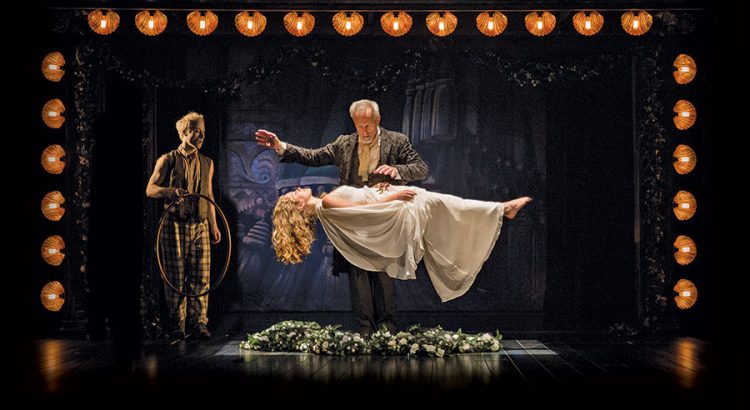
Magicians have captivated human imagination for centuries. With a blend of skill, psychology, storytelling, and showmanship, they create moments that feel impossible, leaving audiences astonished and curious. From grand stage illusions to intimate close-up tricks, magic continues to thrive as both an art form and a performance craft.
This article explores who magicians are, how they work, the different types of magic, and why their craft remains relevant in the modern world.
Who Are Magicians?
A magician is a performer who creates the illusion of supernatural or impossible feats using natural means. Unlike fictional sorcerers, magicians rely on practice, precision, misdirection, and audience perception rather than actual magic.
Magicians are entertainers at heart. Their goal is not just to fool the eye, but to spark wonder, excitement, and emotional engagement. A successful magician turns a simple trick into a memorable experience.
A Brief History of Magic
Magic has roots in ancient civilizations, where early performers used illusions in religious rituals and royal courts.
Key milestones in magical history include:
-
Ancient Egypt: Early records show priests performing illusion-based feats
-
Middle Ages: Street performers entertained crowds across Europe
-
19th Century: The rise of theatrical stage magic and large-scale illusions
-
20th Century: Magic entered television, reaching global audiences
-
21st Century: Digital platforms and social media transformed magic’s reach
Despite changing times, the core appeal of magic—defying expectations—has remained constant.
Types of Magicians and Magic Styles
Magic is not a single discipline. It includes multiple styles, each requiring different skills and performance approaches.
Stage Magicians
Stage magicians perform large-scale illusions in theaters and arenas. These shows often involve:
-
Levitation
-
Vanishing acts
-
Elaborate props
-
Dramatic lighting and music
Their performances focus on spectacle and storytelling.
Close-Up Magicians
Close-up magic is performed inches away from the audience, often using:
-
Playing cards
-
Coins
-
Everyday objects
This style demands exceptional sleight of hand and confidence, as spectators can closely observe every move.
Street Magicians
Street magicians perform in public spaces, relying heavily on:
-
Audience interaction
-
Improvisation
-
Psychological misdirection
Their performances feel spontaneous and personal, often going viral online.
Mentalists
Mentalists specialize in creating the illusion of:
-
Mind reading
-
Prediction
-
Psychological influence
Rather than visual tricks, they focus on behavioral cues, suggestion, and perception.
The Skills Behind the Illusion
Magic is far more than quick hands. Professional magicians spend years refining a wide range of abilities.
Essential skills include:
-
Misdirection: Guiding attention away from secret actions
-
Timing: Executing moves at the perfect moment
-
Practice: Repeating techniques thousands of times
-
Storytelling: Giving meaning and drama to each trick
-
Audience psychology: Understanding how people think and react
True magic happens when technique and presentation merge seamlessly.
Why Magicians Still Fascinate Audiences
In an age of technology and instant information, magic remains powerful because it offers something rare: genuine surprise.
Magicians remind us that not everything needs an explanation right away. They:
-
Encourage curiosity
-
Create shared moments of awe
-
Provide emotional escape from daily routines
-
Appeal to all ages and cultures
Magic thrives because it connects directly to the human sense of wonder.
Modern Magic in the Digital Era
Today’s magicians are embracing new platforms without losing tradition. Social media, live streaming, and video content allow performers to reach millions instantly.
Modern magic blends:
-
Classic sleight of hand
-
Cinematic presentation
-
Technology-enhanced illusions
While the stage has expanded, the heart of magic remains unchanged: making the impossible feel real.
Becoming a Magician
Many magicians start young, learning simple tricks before progressing to advanced techniques.
Common steps include:
-
Studying basic sleight of hand
-
Practicing in front of mirrors or cameras
-
Performing for small, friendly audiences
-
Learning performance ethics and originality
Magic rewards patience. The more effort invested, the more natural the illusion becomes.
FAQs About Magicians
1. Are magicians using real supernatural powers?
No. Magicians use practiced techniques, psychology, and misdirection rather than supernatural abilities.
2. How long does it take to become a skilled magician?
It varies, but mastering foundational skills can take months, while professional-level performance often requires years of practice.
3. Can anyone learn magic?
Yes. With dedication and consistent practice, anyone can learn and perform magic tricks.
4. What is the difference between a magician and a mentalist?
Magicians focus on visual illusions, while mentalists emphasize psychological effects like predictions and mind-reading illusions.
5. Is magic suitable for children to learn?
Absolutely. Magic can improve confidence, creativity, and communication skills in children.
6. Do magicians reveal how tricks are done?
Professional magicians typically keep their methods secret to preserve the art and audience experience.
7. Why do people enjoy being fooled by magic?
Because magic offers surprise, emotional engagement, and a break from logic-driven reality.