

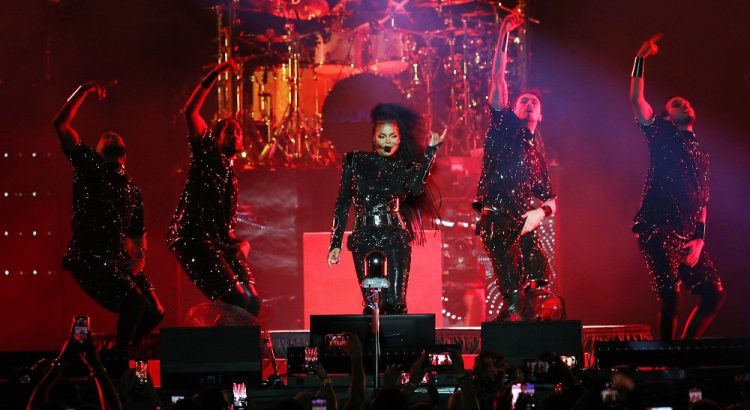
Music is more than sound arranged in rhythm and melody—it is a universal form of expression that transcends borders, languages, and generations. From ancient rituals to modern streaming platforms, music has continuously evolved while remaining deeply connected to human emotion, identity, and culture.
The Essence of Music
At its core, music is built on a combination of rhythm, melody, harmony, and dynamics. These elements work together to create experiences that can energize, comfort, inspire, or provoke thought.
Key characteristics of music include:
- Emotional resonance, allowing listeners to connect deeply with a piece
- Cultural significance, reflecting traditions, beliefs, and history
- Creative expression, offering artists a voice beyond words
Music exists in every known society, making it one of humanity’s most enduring and shared practices.
A Brief Evolution of Music
Music’s journey mirrors human progress. Early civilizations used music in ceremonies and storytelling, relying on simple instruments and vocal chants. Over time, structured systems of composition emerged, leading to rich musical traditions.
Major phases in musical development:
- Ancient and Folk Music – Rooted in oral traditions and community rituals
- Classical Music – Emphasized structure, theory, and orchestration
- Jazz and Blues – Introduced improvisation and emotional depth
- Modern and Digital Music – Defined by technology, global reach, and genre fusion
Each era contributed new techniques and perspectives, expanding how music is created and experienced.
Music Genres and Their Impact
Music genres serve as creative categories that help listeners and artists navigate diverse sounds. While genres continue to blend, they still provide identity and context.
Popular genre groups include:
- Classical – Known for complexity and formal composition
- Rock and Pop – Focused on broad appeal and cultural influence
- Hip-Hop – Centered on rhythm, storytelling, and social commentary
- Electronic – Driven by digital production and innovation
- World Music – Showcasing regional styles and indigenous sounds
Genres often reflect social movements, technological change, and generational values.
The Psychological Power of Music
Music has a profound effect on the human brain. Studies consistently show that listening to music can influence mood, memory, and even physical performance.
Benefits of music on mental and emotional health:
- Reduces stress and anxiety
- Enhances focus and productivity
- Triggers memory recall, especially in therapeutic settings
- Supports emotional regulation
Because of these effects, music is widely used in education, therapy, and wellness practices.
Technology and the Modern Music Industry
The digital age has transformed how music is produced, distributed, and consumed. Recording software, streaming services, and social media have lowered barriers for artists while expanding global access.
Notable changes include:
- Home studios replacing expensive recording facilities
- Streaming platforms shaping listening habits
- Algorithms influencing music discovery
- Direct artist-to-fan engagement through digital channels
While technology has created opportunities, it has also reshaped revenue models and artistic visibility.
Music as a Social Connector
Music plays a vital role in building communities. Concerts, festivals, and shared playlists bring people together, creating collective experiences that foster belonging.
Music often accompanies:
- Celebrations and ceremonies
- Protests and social movements
- Religious and spiritual practices
- Everyday routines
Its ability to unify people emotionally makes it a powerful social force.
The Future of Music
As technology continues to advance, music is expected to become even more interactive and personalized. Artificial intelligence, virtual performances, and immersive audio formats are already influencing how music is made and enjoyed.
Despite these changes, the heart of music remains unchanged—a human desire to express, connect, and feel.
Frequently Asked Questions (FAQ)
1. Why is music considered a universal language?
Music communicates emotions and ideas without relying on spoken words, making it accessible across cultures and languages.
2. How does music influence emotions so strongly?
Music stimulates multiple areas of the brain simultaneously, including those responsible for emotion, memory, and reward.
3. Can music improve learning and concentration?
Yes, certain types of music can enhance focus, memory retention, and cognitive performance when used appropriately.
4. What role does culture play in music?
Culture shapes musical styles, instruments, themes, and performance traditions, making music a reflection of societal values.
5. How has digital streaming changed music consumption?
Streaming has increased accessibility and convenience, allowing listeners to explore vast libraries instantly while changing how artists earn income.
6. Is musical talent innate or learned?
While some people have natural aptitude, musical skills are largely developed through practice, training, and exposure.
7. What makes music timeless?
Music endures because it captures universal human emotions and experiences that remain relevant across generations.