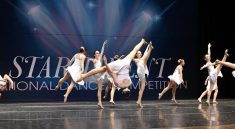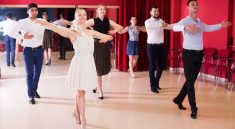

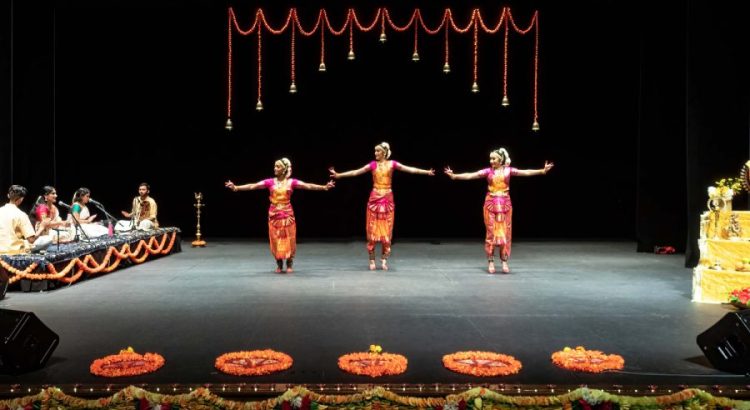
Dance is one of humanity’s oldest and most powerful forms of expression. Long before written language, people used rhythm, movement, and gesture to tell stories, celebrate life, and connect with one another. Across cultures and centuries, dance has evolved into a rich art form that blends creativity, discipline, emotion, and physical skill.
What Is Dance?
Dance is the intentional movement of the body, usually performed to music or rhythm, to convey emotion, meaning, or aesthetic beauty. It can be spontaneous or choreographed, simple or highly structured, social or theatrical. What defines dance is not perfection, but expression.
The Cultural Importance of Dance
Dance plays a vital role in shaping cultural identity and preserving traditions. Every region of the world has its own distinctive dance forms that reflect history, beliefs, and social values.
Dance serves as:
-
A medium for storytelling and rituals
-
A symbol of community and celebration
-
A way to preserve heritage and folklore
-
A form of social connection and communication
From ceremonial dances to festive gatherings, movement often speaks where words fall short.
Major Types of Dance
Classical Dance
Classical dance forms are rooted in tradition and strict technique. They often require years of training and focus on posture, precision, and storytelling.
Key characteristics:
-
Structured movements
-
Formal training methods
-
Strong connection to music and rhythm
Folk Dance
Folk dances emerge from everyday life and community traditions. They are often performed during festivals, weddings, and seasonal celebrations.
Common traits include:
-
Group participation
-
Traditional costumes
-
Regional music and themes
Contemporary Dance
Contemporary dance blends elements from various styles, emphasizing freedom of movement and emotional depth. It allows dancers to explore abstract ideas and personal expression.
Street and Urban Dance
Street dance styles grew out of urban culture and are known for their energy, improvisation, and individuality.
Popular features:
-
Freestyle movements
-
Strong rhythmic patterns
-
Cultural influence from music and social trends
The Physical and Mental Benefits of Dance
Dance is not only an art form but also a powerful tool for overall well-being.
Physical benefits:
-
Improved flexibility and strength
-
Better balance and coordination
-
Enhanced cardiovascular health
Mental and emotional benefits:
-
Reduced stress and anxiety
-
Boosted self-confidence
-
Enhanced creativity and focus
Many people turn to dance as a joyful alternative to traditional exercise.
Dance as a Career and Lifestyle
For some, dance is a passion; for others, it becomes a profession. Careers in dance extend far beyond the stage.
Opportunities include:
-
Professional performance
-
Choreography and direction
-
Teaching and training
-
Dance therapy and fitness instruction
While demanding, a life in dance can be deeply fulfilling for those driven by creativity and discipline.
The Future of Dance
With the rise of digital platforms, dance has become more accessible than ever. Online classes, global collaborations, and social media have transformed how people learn and share movement. Despite technological change, the heart of dance remains the same: human connection through movement.
Frequently Asked Questions (FAQs)
1. Can anyone learn to dance, regardless of age?
Yes, dance is for everyone. People can start dancing at any age, and many styles are adaptable to different fitness levels.
2. Do I need professional training to enjoy dance?
No formal training is required to enjoy dance. While training helps with technique, enjoyment comes from expression and movement.
3. Is dance considered a sport or an art?
Dance is both. It requires physical endurance like a sport and creative expression like an art.
4. How often should someone practice dance?
This depends on goals. Beginners may practice a few times a week, while professionals train daily.
5. Can dance improve mental health?
Yes, dance is known to reduce stress, improve mood, and support emotional well-being.
6. What is the easiest dance style for beginners?
Simple social dances or freestyle-based styles are often easier for beginners to start with.
7. How has technology influenced modern dance?
Technology has expanded access to dance education, enabled virtual performances, and allowed global sharing of styles and creativity.