

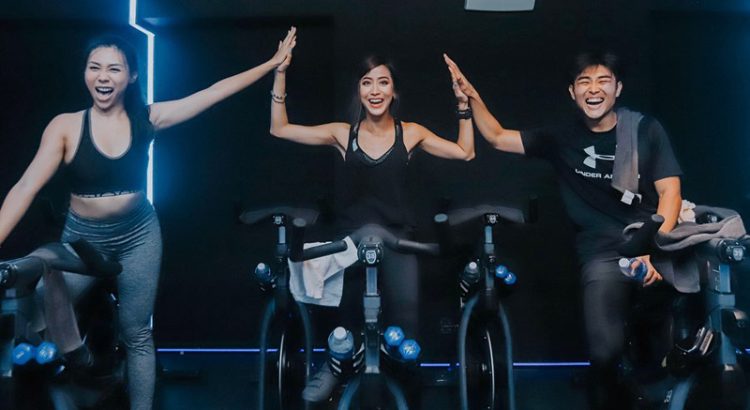
Promotional pricing can encourage someone to join a gym, but it rarely determines whether that person still attends months later. Repeated participation depends more on the environment encountered after registration.
When evaluating a gym membership singapore residents should observe social energy, instructor behaviour and class culture. A trial, where available under current conditions, can reveal whether the environment feels motivating without becoming pressuring or exclusive.
Social Energy Is Not the Same as Noise
A lively room may create energy, but volume alone does not produce a positive culture. Members need clear coaching, respectful behaviour and space to participate at their own level.
Some people prefer energetic classes, while others value a calmer training floor. Both preferences are legitimate.
The environment should support concentration and consistency. Entertainment should not overwhelm training quality.
Belonging Supports Attendance
Recognising instructors or familiar participants can make returning easier. The member begins to feel that attendance is part of a routine.
Belonging should develop without pressure to share personal information or socialise constantly. Quiet participants also deserve a comfortable experience.
A healthy culture allows different levels of engagement. Community is offered rather than imposed.
Instructors Shape Class Culture
Instructors influence how effort, modification and mistakes are treated. Clear cues and respectful scaling encourage broader participation.
A class becomes less welcoming when intensity is used to shame participants. Riders or class members should not feel inferior for selecting a suitable option.
Members exploring TFX Singapore can use a trial class, where permitted, to observe coaching style and participant response. One real session provides more evidence than promotional language.
Modifications Should Be Normal
People arrive with different experience, fitness and recovery. A strong class culture treats modifications as responsible training decisions.
The instructor can offer alternatives without making them sound like failure. Participants remain within the class structure while controlling personal demand.
This supports retention because members can attend during variable readiness. Every session does not require maximum performance.
Competition Needs Boundaries
Leaderboards and shared challenges can motivate some people. They can also encourage unsuitable load or discourage members who do not enjoy comparison.
Participation should be optional where possible. Personal data and performance deserve appropriate privacy.
The strongest culture uses competition as one engagement tool. It does not make ranking the price of belonging.
Social Plans Can Strengthen Routine
Attending with a friend can create accountability. A fixed appointment becomes harder to postpone.
The training should still suit both people. Matching loads or intensity is unnecessary.
A social routine supports membership when each person retains autonomy. Friendship should not turn every session into a contest.
Promotions Create a Temporary Effect
A discount can reduce the barrier to joining, but the effect fades after payment. The member then interacts with booking systems, instructors and other users.
Poor access or an uncomfortable culture will eventually outweigh the original promotion. Retention depends on recurring experience.
Price remains relevant, but it cannot compensate indefinitely for poor fit. The trial should test the ordinary environment.
Class Culture Extends Beyond the Studio
Reception, changing areas and booking communication influence the social experience. Respectful staff interactions create consistency.
Congested exits or unclear waitlists can produce frustration even when the class is enjoyable. Operational culture matters.
Membership experience includes every transition. Community does not begin only when music starts.
Avoid Cliques and Insider Behaviour
Regular participants naturally become familiar with one another. Problems arise when new members feel ignored or unable to access basic information.
Instructors can explain setup and class expectations without requiring newcomers to imitate experienced participants immediately. Clear orientation supports inclusion.
A welcoming culture does not demand instant friendship. It makes participation understandable.
Evaluate Psychological Safety
Members should feel able to ask questions, reduce intensity and report discomfort. They should not fear embarrassment.
This does not mean classes avoid challenge. It means challenge occurs within respectful coaching.
Psychological safety improves honest effort regulation. Participants are less likely to hide problems for social approval.
Observe Equipment Etiquette
Social culture also appears in how members share equipment, return weights and respect personal space. These behaviours affect every visit.
A busy facility can remain pleasant when etiquette is strong. A quieter gym can feel uncomfortable when members disregard others.
Observe patterns during a realistic trial period. Individual incidents should not always define the whole environment.
Choose a Culture That Matches You
One person may value music-driven classes and group energy. Another may prefer independent training with minimal interaction.
Neither choice is more committed. Membership retention improves when the environment fits the person’s preferred way of training.
The facility can offer several zones or formats. Choice allows culture to vary within one membership.
Track Why Attendance Changes
If motivation declines, ask whether the issue is schedule, programme fatigue or social discomfort. These causes require different solutions.
Changing class time or instructor may restore enjoyment. The membership may remain suitable even when one format is not.
Attendance patterns provide clues. Social fit should be reviewed rather than assumed.
Let Community Support the Programme
Social energy can increase enjoyment and accountability, but training goals still require progression and recovery. A fun class should fit the weekly plan.
Avoid adding sessions only because friends are attending. Total workload still matters.
Community works best when it supports purposeful participation. It should not replace programme judgement.
Retention Comes From Repeated Experience
Promotions can start a membership, but culture determines whether the member wants to return. Coaching style, inclusion, etiquette and social autonomy shape that experience.
Use a trial to observe how the facility treats new participants and individual modifications. Consider whether the atmosphere matches your preferred training style.
A strong social environment does not need to be loud or intensely communal. It needs to make regular, respectful participation easier after the promotional excitement has disappeared.