

The entertainment industry is undergoing a rapid transformation, shaped by technology, changing audience behavior, and new creative formats. From on-demand content to immersive live experiences, entertainment today is more accessible, interactive, and personalized than ever before.
As audiences seek variety and convenience, traditional models continue to evolve, blending with digital-first innovations to redefine how stories are told and consumed.
The Shift Toward On-Demand Entertainment
Digital platforms have fundamentally changed how people engage with movies, music, and shows. Viewers now expect flexibility, control, and instant access across devices.
Key drivers behind this shift include:
-
Streaming-first consumption, replacing rigid broadcast schedules
-
Personalized recommendations powered by data and algorithms
-
Multi-device access, allowing seamless viewing on phones, tablets, and TVs
This transition has encouraged creators to experiment with shorter formats, niche storytelling, and global content tailored for diverse audiences.
The Resurgence of Live Experiences
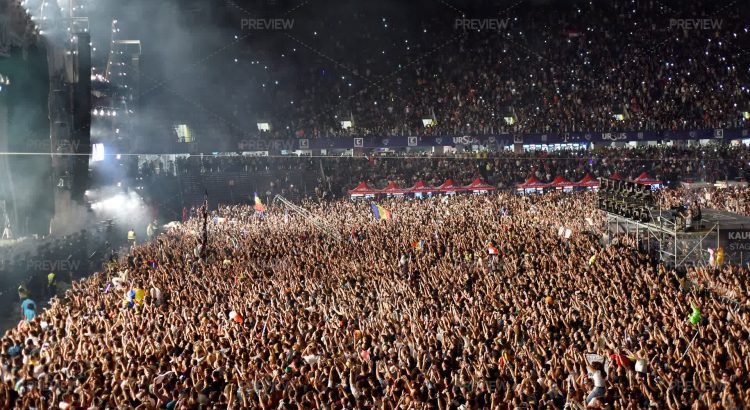
While digital entertainment dominates daily consumption, live experiences are making a strong comeback. Concerts, theater performances, comedy shows, and sports events continue to draw large audiences seeking real-time connection and shared emotion.
Why live entertainment still matters:
-
Authenticity and immediacy that cannot be replicated digitally
-
Emotional engagement through shared audience energy
-
Exclusive moments that feel personal and memorable
Hybrid models, combining in-person attendance with live streaming, are expanding reach while preserving the essence of live performance.
Cinema’s Reinvention in a Streaming World
The film industry has adapted by rethinking the theatrical experience. Cinemas now focus on spectacle, comfort, and premium viewing to offer something beyond home screens.
Modern theaters emphasize:
-
Advanced sound and visual technology
-
Luxury seating and curated environments
-
Event-style releases that turn movie nights into experiences
Rather than competing directly with streaming, cinemas are redefining their role as destinations for immersive storytelling.
Gaming and Interactive Entertainment
Gaming has evolved into a dominant entertainment force, blending storytelling, competition, and social interaction. Interactive experiences now rival traditional media in cultural influence and revenue.
Notable trends shaping this space:
-
Live-streamed gameplay and esports
-
Social gaming communities that extend beyond the screen
-
Virtual and augmented reality experiences
Interactive entertainment continues to blur the lines between creator and audience, offering participation instead of passive consumption.
Social Media as an Entertainment Hub
Short-form video platforms and creator-driven content have turned social media into a primary source of entertainment. Audiences gravitate toward authentic, relatable creators who deliver quick, engaging experiences.
This shift has led to:
-
Influencer-led entertainment ecosystems
-
Viral content shaping pop culture trends
-
Direct audience engagement through comments, live sessions, and collaborations
Entertainment is no longer limited to studios; individuals now shape global conversations from their personal devices.
The Future of Entertainment
Looking ahead, entertainment will continue to evolve alongside technology and audience expectations. Personalization, immersion, and interactivity will define the next era.
Emerging directions include:
-
AI-assisted content creation
-
Immersive virtual environments
-
Cross-platform storytelling that spans film, gaming, and social media
The industry’s future lies in its ability to adapt while preserving the emotional core that connects audiences to stories.
Frequently Asked Questions (FAQ)
1. How is technology influencing modern entertainment?
Technology enables personalization, instant access, immersive experiences, and new creative formats across all entertainment sectors.
2. Is live entertainment losing relevance due to digital platforms?
No, live entertainment remains highly relevant, offering emotional connection and authenticity that digital formats cannot fully replace.
3. Why is gaming considered a major entertainment medium today?
Gaming combines storytelling, interactivity, and social engagement, making it one of the most dynamic and influential forms of entertainment.
4. How has social media changed entertainment consumption?
Social media has shifted entertainment toward short-form, creator-driven content with direct audience interaction.
5. Are cinemas still important in the entertainment industry?
Yes, cinemas are evolving by offering premium, immersive experiences that complement home viewing.
6. What role does personalization play in entertainment?
Personalization helps audiences discover content aligned with their preferences, increasing engagement and satisfaction.
7. What can audiences expect from the future of entertainment?
Audiences can expect more immersive, interactive, and personalized experiences driven by emerging technologies and creative innovation.